100% FREE CONSULTANCY
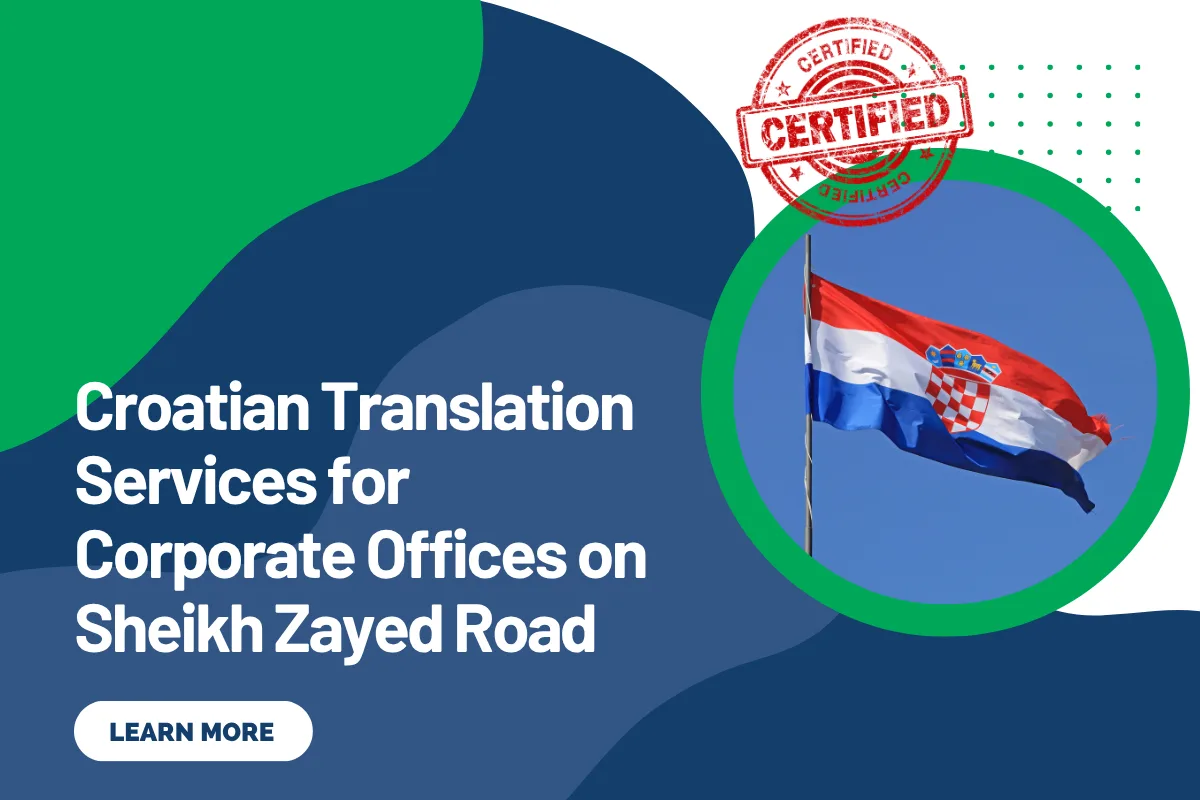
Q Links Legal Translation Services supports busy corporate teams who manage board papers, contracts, HR files, and compliance packs that move across languages every week. When timing is tight and every clause matters, you need Croatian translation services that keep meaning intact, formatting clean, and approvals on track. This guide shows how to plan, brief, and review with less stress.
You will see where Croatian certified translation fits, what changes between Croatian to English and Croatian to Arabic, and how to design a simple quality loop your team can reuse. If you need a vendor point of contact for filings or meetings, consider Croatian translation services to align language, layout, and sign-off dates.
Table of Contents
Quick Summary
Corporate work moves fast. The safest path is a clear workflow: define your source set, set the target pair, flag any legal or official use, and lock the formatting rules early. For legal or government-bound items, Croatian certified translation with a translator’s stamp and signature is often required. Build time for a second-linguist check, then a final legal or SME review.
Switching between Croatian to English and Croatian to Arabic changes style, terminology, and layout needs. Keep glossaries, templates, and version control in one place. For teams based along major corporate hubs, plan intake, approvals, and handovers with a shared checklist. Use consistent reviewers and keep a short list of priority documents that always need formal certification for official use.
Why Certified Croatian Translation Matters for Corporate Documents
Many corporate documents end up in HR files, tenders, banking packs, or board minutes where the wording must be exact. When a document is used for legal or official purposes, a certified translation with the right stamp and signature reduces risk. For a deeper legal checklist and acceptance notes, read the Complete Guide to Croatian Certified Translation for Legal and Official Use for a thorough walkthrough.
If your team handles contracts, POAs, or notarized attachments, plan the certification step early. That way, formatting, seals, and attachments match the destination office’s expectations. This reduces rework and keeps your submission timeline safe.
Operations Along Sheikh Zayed Road: Typical Workflows and Touchpoints
Corporate offices on Sheikh Zayed Road often manage many moving parts at once: vendor contracts, board packs, policy updates, and cross-border HR onboarding. A smooth workflow starts with clear intake. Mark the file type, target pair, due date, and whether it needs certification. When needed, a project intake form keeps requests standard and complete.
Many teams work with a preferred Croatian translator Dubai contact for continuity. That saves time because the translator knows your brand tone and glossary. For urgent cycles, set rules for partial deliveries so critical pages are ready first. Close the loop with a sign-off note that lists any terms locked for future use.
Croatian to English vs Croatian to Arabic: Key Differences
Both language pairs can be accurate and clear, but they differ in layout, punctuation, and style. English favors concise phrasing, while Arabic may require more context and careful sentence flow. Alignment of tables and stamps can also change. Focus on terminology consistency across your templates, especially in legal and finance content.
| Aspect | Croatian to English | Croatian to Arabic |
|---|---|---|
| Tone | Direct, compact legal phrasing | Formal, context-rich legal phrasing |
| Formatting | Tables align left; minor punctuation shifts | Right-to-left layout; mirrored tables where needed |
| Terminology | Common law style references may appear | Civil law and regional terms require careful mapping |
| Review Focus | Conciseness and clause numbering | Clarity, diacritics, and layout mirroring |
| Common Pitfalls | Over-literal titles and headings | Missed RTL alignment or stamp placement |
Quality Control Framework Corporate Teams Can Use
A simple, reusable framework keeps quality stable across quarters. First, lock the source set and list related files so nothing goes missing. Second, agree the target pair and outcome: general use, internal use, or certified for legal or official use. Third, run a second-linguist edit for accuracy and fluency. Fourth, complete a formatting and attachment check.
Fifth, assign a final legal or SME review tied to your domain. Sixth, close with a record: final file name, date, and approver. If you need deeper criteria for certification steps and acceptance notes, see the complete guide on this topic to plan requirements in detail. This framework builds repeatable quality assurance for your team.
Handling Confidential and Regulated Content
Corporate files can include pay data, shareholder info, or sensitive deal terms. Treat access on a need-to-know basis and label files by sensitivity. Ask your language partner to confirm confidentiality steps, such as secure transfer and limited storage time.
For documents that may be presented to authorities, keep a short register of which items always need certification. Include samples and notes about who must sign off internally before release.
Formatting, Seals, and Submission Readiness
Legal or official submissions often require a translator’s stamp, signature, and complete copy of attachments. Clarify these features up front. If stamps must appear on each page, say so early. Align any reference numbers and annexes. Make a quick official stamps checklist part of your final delivery routine to prevent last-minute edits.
For bilingual packs, keep both language versions in one folder with clear names. Use a cover page that states document type, languages, and date. This helps internal reviewers and external recipients find what they need fast.
Working With Reviewers and Subject SMEs
Good translations still benefit from domain checks. Assign a subject reviewer who knows your line items and product names. Provide term preferences and sample clauses they already approved. A short round of bilingual review reduces back-and-forth and speeds final sign-off.
Keep review comments specific: point to clause ID, suggest the revised term, and add context. Avoid vague notes like “sounds off” that cause delays.
Practical Handoffs: From Email to Boardroom
Handoffs can break even the best plan. Set a clear route: requester to coordinator, to translator, to editor, to SME, then back to the coordinator. Keep one owner who moves the file along each step. Add version control to avoid overwriting pages or merging old clauses.
Before meetings, freeze the final pack 24 hours early if possible. Share a read-only link for attendees. Keep the certified copy available in case an official or auditor requests it during the session.
Risk Checklist and Common Mistakes to Avoid
Common risks include mixed source files, missing annexes, and late requests for certification. Another frequent issue is inconsistent names for entities, signatories, or products. Lock those early and keep one glossary. Watch for outdated templates that still carry old clause numbers or branding.
Run a final page-by-page check. Confirm stamps, signatures, attachments, and page order. Send the full pack only after your SME or legal reviewer signs off.
FAQs
- When do we need Croatian certified translation for corporate files?
Use certification when the document will be presented to an authority, court, or notary, or when counterparties demand an officially stamped translation. Internal reports typically do not need certification unless specified.
- How should we brief a Croatian translator Dubai contact?
Share the source files, target pair, deadline, purpose, and any required stamp or signature. Add a glossary, a sample approved file, and note any terms that must stay in the original language, such as brand names.
- What changes most between Croatian to English and Croatian to Arabic?
Layout and style. English aims for concise legal phrasing, while Arabic needs careful right-to-left formatting and clear flow. Stamp placement and table alignment often differ as well.
- Can we reuse our English template for Croatian contracts?
You can reuse the structure, but check headings, clause references, and defined terms. Some phrases do not map one-to-one. Keep a bilingual glossary and review the first few contracts closely before standardizing.
- Who should do final approval inside our company?
Assign a legal or subject-matter reviewer who knows the deal terms and risks. They confirm key wording, names, and numbers. After that, a coordinator can release the file for use or submission.
- How do we keep consistency across quarters and teams?
Maintain a central glossary, approved samples, and a simple workflow checklist. Keep the same reviewers when possible and document final decisions so the next project starts from a stronger baseline.
Conclusion
Strong corporate language workflows are simple, clear, and repeatable. Start with clean source files, set outcomes, then build a small but firm review loop. Whether you need bilingual board packs or certified documents for official use, plan enough time for checks and formatting. With well-managed Croatian translation services, your team moves faster and avoids rework.
If you are mapping your next quarter’s document flow, build a shared checklist and assign a single owner for each handoff. When you need structured help, or a steady path from draft to certified copy, contact Q Links Legal Translation Services for expert assistance. Keep your templates current, your glossary tight, and your approvals calm and on schedule.