100% FREE CONSULTANCY
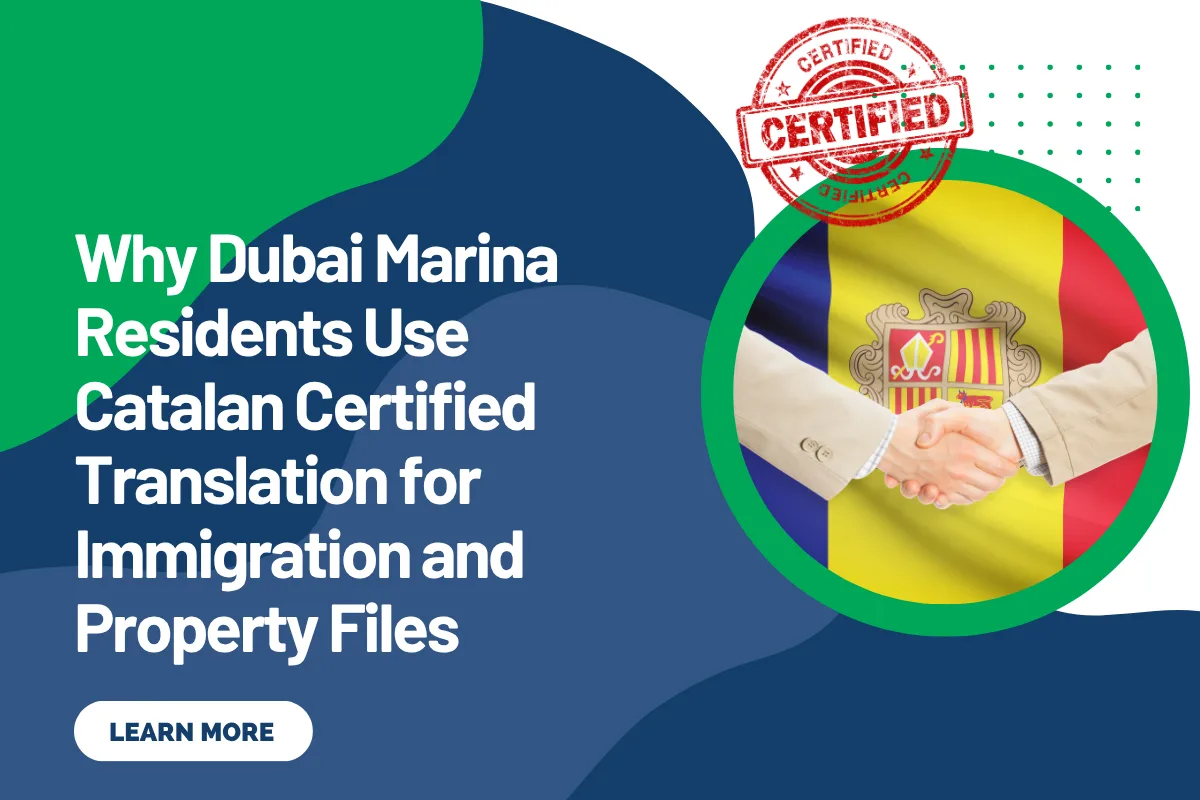
Moving homes, renewing visas, or closing a property deal all hinge on one simple thing: your documents must be clear and accepted by the right office. That is why many people turn to Catalan certified translation when they have birth certificates, marriage records, police checks, or title papers in Catalan that need to be used in the UAE. It reduces doubt, speeds reviews, and keeps files aligned with official rules.
When a task involves authorities or registries, a certified approach adds the stamp, statement, and structure your file needs. If you are planning ahead, consider a trusted option for Catalan certified translation so your immigration or property paperwork stays on track from the first submission. This guide explains what residents often translate, how to plan the steps, and what to check before you file.
Table of Contents
Quick Summary
Residents choose certified translation for two main reasons: immigration and property. For visas, you will often translate identity and civil status documents, plus police records, education proofs, and financial letters. For real estate, you may translate title extracts, power of attorney, contracts, and bank letters. Certified work includes a translator’s declaration, page numbering, and a clear match to the original.
Use a simple plan: confirm the receiving authority’s rules, gather clean scans, set timelines by your filing date, and request a proofread before finalization. In complex cases, ask about notarization or attestation if the office requires those extras. This article complements the broader topic on certified translation for legal and official use by focusing on typical immigration and property scenarios and how to avoid delays.
What Counts as Certified in the UAE
Certified translation is more than word-for-word text. It includes a signed translator declaration, a stamp or seal, and a layout that mirrors the original document. This helps officials verify that names, dates, and references match exactly, so they can rely on it without back-and-forth.
If you want deeper background on formats, usage, and document handling, see the Complete Guide to Catalan Certified Translation for Legal and Official Use for a broader look at official needs and document types.
Immigration and Visa Files: The Common Triggers
Visa and residency files often include birth and marriage certificates, police clearance records, and education documents. If any of these are in Catalan, a legal Catalan translation helps ensure they are read in the same way by UAE offices. The aim is simple: no doubt about identity, status, or dates.
Pay close attention to names. The spelling must match passports and IDs. Ask your translator to keep accents, name order, and all middle names consistent. Also confirm if the office needs Arabic, English, or both. A precise request means you avoid duplicate work later.
Some applicants also include bank or employer letters. These must match the application form details. Request a final review of numbers, dates, and reference codes, and ask the translator to flag anything unclear. That small step can prevent a return or hold.
Property and Real Estate Files: Sales, Leases, and Mortgages
Property deals need accurate paperwork. People often translate title information, power of attorney, corporate extracts, and bank letters tied to the purchase or lease. In real estate, dates and plot details matter. A certified approach keeps those details consistent with the original.
Leases and addenda may also need translation, especially if a party prefers one language for clarity. Ensure the translator preserves key clauses like deposit, handover, and notice periods. Ask for a clear cross-check between the original and the translated contract before signing.
When a bank is involved, they may request specific wording or formatting. Share any template or prior sample with your translator. That way, the final document aligns with the bank’s checklist, which can help speed approvals.
Dubai Marina Scenarios: What Residents Often Face
In busy waterfront areas, people juggle visa renewals and apartment moves at once. A family may need a quick certified translation of a marriage certificate for a sponsorship update while also translating a power of attorney to close a unit sale. Planning both jobs together can save time and courier costs.
If you search for Catalan translation Dubai or ask for a Catalan translator Dubai during lease renewal season, request realistic turnaround windows. Provide legible scans and list the target language and delivery format. If you prefer printed sets, ask for bound copies with page numbers to keep pages from mixing during filing.
Many residents also look for Catalan translation services near you to handle last-minute changes. If a clause changes or a date shifts, ask your translator for a tracked update and a new signed declaration page. This keeps the record clean and official.
Certified vs Standard vs Machine: What Works for Official Files
| Type | What it includes | When to use | Risk if misused |
|---|---|---|---|
| Certified | Translator declaration, stamp, mirrored layout, clear references | Immigration files, court-related items, property sales or leases | Low risk; made for official acceptance |
| Standard | Accurate text without a formal declaration or stamp | Personal reference or internal review | May be rejected by authorities |
| Machine | Automated output with no human check | Quick gist only | High chance of errors; not valid for filings |
A Simple 5-Step Framework to Keep Documents Moving
Use this framework to avoid delays and wasted trips. It balances speed with accuracy so your file passes checks the first time.
- Confirm rules first. Ask the receiving office what language they need, whether they accept certified English or Arabic, and if they want attestation or notarization.
- Gather clean sources. Provide full, legible scans of both sides where needed. Include passports to lock in spelling and dates.
- Set the timeline. Work backward from your filing date and add buffer for reviews. Confirm turnaround time before you start.
- Review and align. Check names, dates, and reference numbers against your forms. Ask for a proofread copy before finalizing.
- Package for filing. Request signed declaration pages and, if needed, bound sets. Keep digital and paper copies aligned.
If you want a broader method for handling official paperwork, you can also read the complete guide on this topic to understand formats, stamps, and how agencies review documents.
Quality Checks That Prevent Rejections
Ask your translator to keep original formatting wherever it helps: numbered sections, clause headers, and tables. This makes it easy for reviewers to compare lines and find clauses quickly. It also reduces questions at the counter.
Provide a glossary for names of buildings, communities, or banks to avoid spelling shifts. For property work, confirm unit numbers, floor, tower, and parking details. These tiny points often trigger follow-ups if they do not match across papers.
For immigration items, share the exact purpose: residency renewal, family sponsorship, or work transfer. Purpose helps the translator pick the right terms. A short note in your email can improve terminology consistency across all documents.
Coordinating Timelines With Filings and Closings
Start early if a bank, notary, or third party must sign or stamp something after translation. Each added step needs time. Try to lock translation delivery three to five days before your filing date, so you can read and fix anything calm and clear.
For property sales, align translation delivery with contract finalization. If a clause is still under review, pause that page and complete the rest. This keeps the process flexible without wasting time.
If you have multiple documents for different offices, label them by destination and deadline. A simple file name like “Lease Addendum 2026 for Agency” avoids mix-ups.
What to Include in Your Translator Brief
Keep your brief short and clear. Mention target language, filing office, and any template you must follow. Attach good scans and note any unusual accents or double surnames. Ask the translator to mirror those exactly.
State how you will submit the file: online portal, email, or counter. If the office needs a wet stamp or bound set, say so up front. Also confirm delivery format: PDF only, or PDF plus printed copies.
Finally, ask for a simple checklist with the delivered set: number of pages, declaration page included, and any notes. This one-page list helps you verify the package fast.
How This Article Fits With the Broader Topic
This piece adds local, practical angles to the wider subject of certified translation for legal and official use. It focuses on how immigration and property steps intersect, what usually needs translation, and how to avoid small errors that cause big delays.
If you need direct service details, rely on your chosen provider’s scope and instructions. For general education, this guide pairs well with a broader overview so you see the full path from document prep to filing.
FAQs
- Which documents are most often translated for immigration?
Birth and marriage certificates, police records, education proofs, and bank or employer letters are common. Keep names and dates aligned with your passport and forms to avoid a return.
- Do property contracts always need certified translation?
Not always. It depends on parties, banks, and the receiving office. When in doubt, ask if certified work, a translator’s declaration, or a stamped copy is required.
- Should I translate to Arabic or English for UAE filings?
It depends on the office. Some accept English, others prefer Arabic. Confirm the target language first so you do not pay to redo the work later.
- How do I avoid name spelling errors?
Share passport copies and write the exact spelling you need, including accents and middle names. Ask the translator to mirror that across all documents.
- Will machine translation work for official use?
No. Machine output is not accepted for official filings. Certified work with a declaration and stamp is the proper route for immigration and property tasks.
- What if a clause in my contract changes late?
Request an updated page with tracked edits and a refreshed declaration if needed. Keep both digital and paper sets current so the file stays clean.
- How many days should I plan for certified translation?
Plan a few business days for typical documents, longer for large contracts. Build a buffer before your filing or closing date for reviews and signatures.
- Do I need notarization or attestation on top of certification?
Sometimes. Ask the receiving office first. If required, add those steps after translation and allow extra time for processing.
Conclusion
For immigration and property files, Catalan certified translation helps your documents speak the language of official review. It brings structure, a clear declaration, and a layout that matches the source. That means fewer surprises at the counter and smoother progress toward visas, leases, sales, or registrations.
Plan early. Confirm the office rules, prepare legible scans, and set a timeline that leaves room for review. Keep names, dates, and references consistent across all documents. If your case is complex, add any needed notarization or attestation steps. Contact Q Links Legal Translation Services for expert assistance. With a calm plan and careful checks, your paperwork can move from desk to done without last-minute stress.