100% FREE CONSULTANCY
Legal steps in the UAE run on clear documents. If your papers are in Polish, you need Polish certified translation so courts, notaries, and public offices accept them. It keeps names, dates, and legal terms accurate and consistent. That way, your application or filing does not stall over language gaps.
Q Links Legal Translation Services helps people and companies handle official translation across the UAE. We work with legal teams, notaries, and documentation desks so your file matches their format and timing. For guidance on scope and acceptance criteria, see Polish certified translation in the UAE with this service link: Polish certified translation.
Table of Contents
Quick Summary
Certified translation makes your Polish documents valid for legal use in the UAE. A qualified translator confirms accuracy, adds a stamp or statement, and follows submission rules for each authority. This matters for court filings, notary actions, contracts, and company records. If you want a deeper background, read the Complete Guide to Polish Certified Translation for Legal and Official Use and align it with your case steps. One steady rule stands out: ensure the target language, format, and seals match the instruction sheet before you submit.
What counts as a certified Polish legal translation in the UAE
A certified translation includes a signed statement by the translator or agency confirming the translation is true and complete. It often includes a stamp and clear contact details. The package lets legal bodies trace who did the work and how the text links to the source file.
For legal use, the translation must be complete, including stamps, seals, headers, and annotations. Redactions must be flagged. Page counts should mirror the source. Keep a clean scan of each page and add the translator’s declaration with the date and reference number for a neat audit trail of your certified Polish legal translation.
Where certified translation fits in UAE legal procedures
Many steps in Legal Services need accurate translations to keep records aligned. Below are common touchpoints where timing and format matter most. Build your timeline around them to avoid repeat visits or rejections.
- Court submissions: pleadings, judgments, evidence, expert reports
- Contracts and corporate: MOUs, SPAs, board resolutions, commercial licenses
- Personal and status docs: birth, marriage, divorce, academic records
- Powers of attorney and affidavits for Notary & Documentation Services
- IP and regulatory filings: registrations, renewals, and official notices
When planning, check language direction. Some desks accept English; others ask for Arabic. Align this choice early to avoid rework on your legal Polish translation.
Notary and documentation alignment: seals, copies, and chains
Notary steps focus on identity, authority, and document integrity. A certified translation connects the narrative so each seal and signature makes sense. Keep originals and certified copies handy, along with the translator’s statement and page references.
In Notary & Documentation Services, the chain of documents should be simple to follow: original, certified copy if required, certified translation, and any needed attachments. Label bundles by document title and date. A steady file-naming rule and clear pagination prevent mix-ups in your certified translation package.
Language path: Polish to English, English to Polish, and when to use each
Pick the target language to match the receiving office. If a court desk asks for Arabic, you may need a two-step path via English or a direct Polish to Arabic route, depending on availability. If a free zone accepts English, a direct Polish to English translation may be the fastest route.
Reverse flow matters too. If you must send UAE-issued papers to Poland, plan for English to Polish or Arabic to Polish with proper certification. Confirm if the receiving side expects sworn translation, notarization, or legalization, and keep a record of any special phrasing they require for names or titles.
Step-by-step framework to get it right
Use this framework to reduce risk and delays. It follows the same logic many Legal Services and notary counters expect to see in organized cases.
- Define target language and purpose. Map whether you need Polish to English, English to Polish, or Arabic alignment for a specific authority.
- List every document and its role. Include annexes, exhibits, seals, and handwritten notes that affect meaning.
- Check formatting rules. Page size, line breaks, tables, footnotes, and stamps should be mirrored.
- Confirm certification needs. Translator declaration, stamp, date, and contact details must be clear.
- Review names and dates. Match passports, IDs, and company registers for exact spelling and formats.
- Bundle files cleanly. Keep originals, certified copies, translations, and any affidavits in a simple order.
- Do a legal review pass. Ensure the terms read as intended and reflect the source without gaps.
- Submit and archive. Keep a submission record and store digital copies with version labels.
For more context behind each step, see the complete guide on this topic, then match its scope to your case file.
Certified, notarized, legalized, or sworn: what is the difference
These terms get mixed up, but each one serves a different purpose. Use this table to plan your route and avoid doing steps you do not need. If in doubt, ask the receiving desk which path they expect for your legalization chain.
| Type | Who issues | Purpose | Recognized by | Typical use |
|---|---|---|---|---|
| Certified translation | Qualified translator or agency | Confirms accurate, complete translation | Courts, notaries, and offices that accept certified translations | Legal filings, contracts, corporate and personal records |
| Notarized translation | Notary public notarizes translator’s signature | Validates the identity of the signer, not the language quality | Authorities that require notarial verification | Affidavits, powers of attorney, certain corporate uses |
| Legalized/apostilled document | Competent authority authenticates signatures/seals | Confirms document origin across borders | Authorities that require international authentication | Cross-border submissions and official recognition |
| Sworn translation (Poland context) | Sworn translator under local rules | Official translation format in Poland | Bodies that specifically require sworn status | Use when a Polish entity asks for sworn translation |
Quality control and risk management practices
Small errors cause big delays. Use a second-linguist review when the text is dense or specialized. For contracts, align clause numbering and defined terms so the translation follows the logic of the original.
Names, IDs, and amounts must match across every file. Keep a glossary for recurring terms and titles. Confirm whether the receiving desk needs Arabic alongside English to align your legal Polish translation with their intake rules.
Protect privacy. Legal files often hold sensitive data. Share only what is needed, and store documents in a secure location with limited access. A short handover note with version history reduces confusion later.
Document examples that often require certified translation
Here are common document types that call for careful handling. Build your queue by priority and deadline. Add any required attachments so the translation reads as a complete record.
- Company setup and change records, board resolutions, and commercial licenses
- Employment contracts, HR policies, and compliance declarations
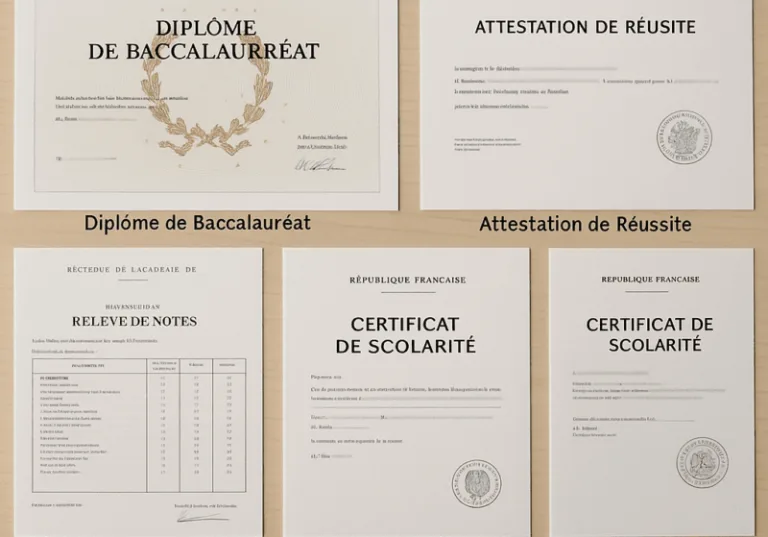
- Civil status records, academic certificates, and professional licenses
- Court pleadings, judgments, expert reports, and evidence exhibits
- Powers of attorney, affidavits, and notarized statements
When in doubt, confirm the exact target language and whether you need supporting notes to explain stamps or handwritten remarks in your certified Polish legal translation.
Coordinating with Legal Services and Notary & Documentation Services
Work backward from your hearing date, signing, or filing window. Share draft translations early with your legal team if they must review commercial terms. Keep sign-off dates clear and set a short buffer for final fixes.
For notary steps, carry originals and certified copies as required, plus the translator’s statement. Make sure seals and page counts match. A printed copy of the translator’s contact details can speed up checks for your certified package.
FAQs
- Do UAE authorities require Arabic or is English enough?
It depends on the receiving office. Some legal desks accept English, while others require Arabic. Read the instruction sheet for your case and set the target language before you start the translation.
- What makes a translation certified?
A certified translation includes a signed declaration from the translator or agency confirming accuracy and completeness, plus a stamp and contact details that link the translation to the source document.
- Can I translate only selected pages?
Translate all pages that affect meaning. If you exclude annexes or stamps, note it clearly, but be aware many legal desks expect a full, complete translation of the entire document set.
- Is notarization the same as certification?
No. Notarization confirms the identity of the signer making a statement, not the language quality itself. Certification is the translator’s attestation that the translation is accurate and complete.
- Do I need a sworn translator for use in Poland?
If a Polish body asks for sworn translation, follow their rule set. For UAE use, follow the receiving authority’s guidance. Always match the format to where you will submit the files.
- How do I handle names with special characters?
Match the spelling in the passport or ID. Keep one version across all documents. If there is a conflict, add a brief note to explain the chosen form.
- What if the authority asks for rework?
Review the note, correct the point in question, and reissue the certified translation with a new date and version reference. Keep a clear audit trail for your records.
Conclusion
Polish certified translation touches many parts of a legal file. Use it to make your documents readable, traceable, and accepted on the first try. Contact Q Links Legal Translation Services for expert assistance.
In closing, Polish certified translation keeps your legal narrative tight and consistent so UAE procedures move without language delays. Certified translators present a clear, signed statement and mirror every mark that matters. If you handle the language path, formatting, and seals early, you reduce risk and save time. For complex files, align your steps with the ideas outlined in the complete guide to Polish certified translation for legal and official use, then keep clean records from start to finish.