100% FREE CONSULTANCY
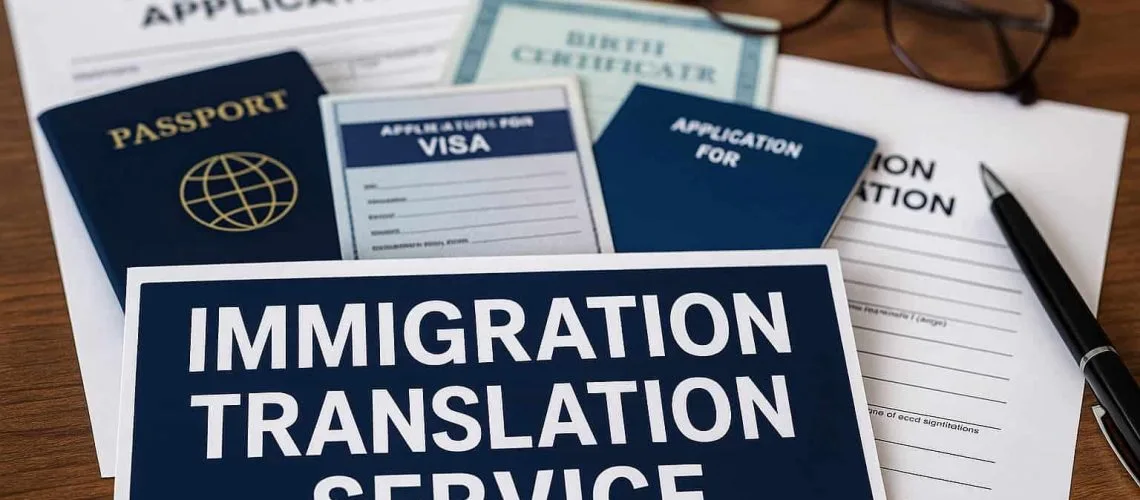
When you are dealing with immigration procedures, every word on your documents matters. A single mistranslated date, name, or legal term can slow down your application or even trigger a rejection. That is why choosing the right legal translation partner for your visas, passports, and birth certificates is critical if you are applying in or from Dubai.
This cluster guide expands on the key immigration document topics covered in our main guide, The Ultimate Guide to Legal Translation Services. For a broader overview of legal translation, standards, and use cases beyond immigration, explore this in-depth resource: Complete overview: “The Ultimate Guide to Legal Translation Services.”
Here, we focus specifically on immigration document translation what authorities expect, how to avoid common mistakes, and how a specialized provider like Q Links Legal Translation Services in Dubai supports applicants and businesses across Sheikh Zayed Rd, Trade Center, DIFC, Business Bay, Al Barsha, and JLT.
Why Immigration Document Translation Must Be Treated as Legal Translation
Many applicants think of immigration paperwork as routine administration. In reality, it is a legal process governed by strict regulations and formal evidence requirements. Whenever a government body, court, or embassy asks for translated documents, they effectively require legal translation, even if the documents are personal.
Immigration Authorities Treat your Documents as Legal Evidence
Common immigration documents visas, passports, birth certificates, marriage certificates, police clearances, and academic records are used to prove identity, status, age, nationality, and family relationships. These details directly affect decisions on:
- Residency visa approval or rejection
- Citizenship or naturalization eligibility
- Family sponsorship and reunification
- Work permits and investor visas
Because of this, translation errors are not treated as simple mistakes; they can be viewed as inconsistencies or even misrepresentation, especially when dates or names do not match across documents.
Certified and Sworn Translations are Often Mandatory
In the UAE, and in most major immigration destinations, authorities usually require:
- Certified translations: translated by an approved legal translator or firm, accompanied by a stamp, certification statement, and sometimes translator details.
- Sworn/legalized translations: in some cases, translations must be endorsed by courts, notaries, or specific government entities.
Q Links Legal Translation Services specializes in these legally compliant formats, ensuring that your immigration translations are accepted by UAE authorities and foreign consulates located in areas like Trade Center and DIFC.
Key Immigration Documents That Require Legal Translation

While requirements differ by destination country and specific visa type, the following documents are most frequently requested for official legal translation as part of immigration files.
1. Passports and National IDs
Not all jurisdictions require full translation of passports, but when they do, accuracy is critical. Typical elements include:
- Full name (including transliteration and spelling consistency)
- Date and place of birth
- Nationality and passport number
- Issue and expiry dates
In some cases, immigration authorities only require translation of bio-data pages; others may request translation of observation pages, name change notes, or endorsements. An experienced legal translator will help you confirm what is needed before you submit.
2. Birth Certificates
Birth certificates are central to immigration cases involving:
- Child sponsorship or dependent visas
- Citizenship by descent
- Age verification for students and workers
Translating birth certificates demands precision on:
- Child’s full legal name
- Parents’ names and marital status
- Birthplace and birth date
- Registration numbers, stamps, and annotations
Q Links regularly supports families in Business Bay, Al Barsha, and JLT with certified translations of birth certificates for UAE and overseas immigration applications.
3. Visas and Residence Permits
When you are applying for a new visa abroad or changing status, authorities may ask for translations of:
- Existing visas or residence permits
- Entry and exit stamps
- Immigration decisions or previous refusals
Translating these documents shows your travel history and compliance with immigration rules. Any inconsistency between visa dates and other supporting documents can delay assessments.
4. Civil Status and Family Documents
In addition to visas, passports and birth certificates, you will often need legal translation of:
- Marriage certificates
- Divorce decrees and custody orders
- Adoption papers
- Family registration documents
These documents help prove your relationship to dependents or sponsors. Particular care is needed when names are spelled differently across different documents or languages.
5. Supporting Immigration Records
Depending on your case, additional documents may require legal translation:
- Police clearance certificates
- Employment contracts and salary certificates
- Academic degrees and transcripts
- Bank statements and financial guarantees
Although some of these are not strictly “legal” in nature, they become legal evidence once submitted to an immigration authority, and thus should be translated with the same level of rigor.
Official Requirements: What Immigration Authorities Expect From Translations
Requirements differ between countries, but there are common expectations that your translation provider must meet.
Core Components of Compliant Immigration Translations
| Requirement | What it means | How Q Links supports you |
|---|---|---|
| Accuracy | Every detail of the original document is mirrored exactly in the target language. | Dual review by qualified legal translators and proofreaders. |
| Completeness | No omissions—seals, stamps, notes, and marginalia are also translated or described. | Side notes for illegible sections; full reproduction of formatting where needed. |
| Certification | A signed statement or stamp confirming that the translation is true and correct. | Official stamps and certificates in line with UAE and many consular standards. |
| Language pair | Must match what the requesting authority specifies (e.g., Arabic–English, French–English). | Specialized teams for Arabic–English and other common immigration pairs. |
| Format | Often must resemble the layout of the original document. | Professional document formatting to align with source documents. |
Jurisdiction Specific Nuances
Different embassies and countries follow different translation rules:
- UAE authorities usually require Arabic for most official uses and accept translations by UAE licensed legal translators.
- European countries may require sworn translators registered in their own jurisdiction, or they may accept UAE-certified translations plus legalization.
- North American destinations (Canada, USA) often require certified translations but have specific wording and identity requirements for the translator’s statement.
When you contact Q Links from Sheikh Zayed Rd, DIFC, or JLT, our team helps you verify the destination’s exact requirements before we proceed. This prevents you from paying twice for translations that do not meet embassy standards.
Step-by-Step: How to Prepare Your Documents for Legal Translation
Good preparation saves time, reduces revision cycles, and lowers the risk of rejection. Use this simple process before sending your files for legal translation.
Step 1: Confirm the Authority’s Translation Rules
- Check the official website of the embassy, consulate, or immigration authority.
- Note required languages, certification type, and whether originals or copies are accepted.
- If unclear, contact the authority directly or ask your translator to assist.
Step 2: Gather Complete and Legible Documents
- Ensure the document is final and officially issued (no drafts or temporary letters).
- Scan or photograph the full page, including stamps and margins.
- Use high-resolution scans; avoid shadows, blur, and cut-off edges.
- For multiple pages, keep them in order and clearly labeled.
Step 3: Align Names and Spellings
One of the most common issues in immigration files is inconsistent spelling of names and places across:
- Passports
- Birth certificates
- Academic records
- Marriage or divorce documents
Before translation:
- Decide on the correct Romanization or English spelling that matches your passport.
- Share this spelling with your translator and ask them to apply it consistently.
Step 4: Choose a Qualified Legal Translation Provider
Look for a provider with:
- Recognized experience in immigration and government documents
- Knowledge of UAE requirements and foreign embassy expectations
- Ability to deliver both digital and hard-copy certified translations
- Clear policies on confidentiality and data protection
Q Links Legal Translation Services offers online submission and doorstep delivery in Dubai locations such as Business Bay, Al Barsha, and JLT ideal when you are preparing tight immigration timelines.
Step 5: Review and Verify Translations Before Submission
- Check that your name, date of birth, and document numbers match your passport.
- Confirm that all stamps and notations from the original document appear.
- Ensure the certification statement or stamp is present where required.
- Ask for minor corrections immediately if you spot any discrepancy.
Common Mistakes in Immigration Document Translation and How to Avoid Them
Many applicants only realize the importance of professional legal translation after a delay or refusal. Avoid the most frequent issues from the start.
Mistake 1: Using Informal or Non Certified Translations
Relying on friends, basic language skills, or machine translation tools for immigration documents is risky. Authorities are unlikely to accept these, and you may lose valuable time.
How to avoid it: Use a certified legal translation provider, especially when dealing with embassies or courts.
Mistake 2: Ignoring Spelling Differences
Even minor inconsistencies like “Mohammed” vs “Muhammad” or “Abdulrahman” vs “Abdurrahman” can raise questions during file review.
How to avoid it: Provide a reference passport copy and confirm your preferred spellings with your translator in advance.
Mistake 3: Missing Stamps, Seals, or Marginal Notes
Some translators focus only on the main text and ignore stamps or hand-written remarks, which can carry legal significance.
How to avoid it: Ask your provider to include all visible content in the translation, including seals and official endorsements.
Mistake 4: Not Following the Embassy’s Certification Format
Each embassy or immigration office may have its own expectations on how the certification statement should be worded and placed.
How to avoid it: Share any embassy guidelines with your translator. Q Links frequently works with consulates near Trade Center and DIFC and understands many of their common requirements.
Mistake 5: Last-Minute Requests without Considering Legalization
Sometimes translations must be further notarized or attested. If you leave translation to the last moment, there may not be enough time to complete these additional steps.
How to avoid it: Contact your translation provider early; ask if your documents may also require notarization or embassy attestation after translation.
How Q Links Legal Translation Services Supports Immigration Applicants in Dubai
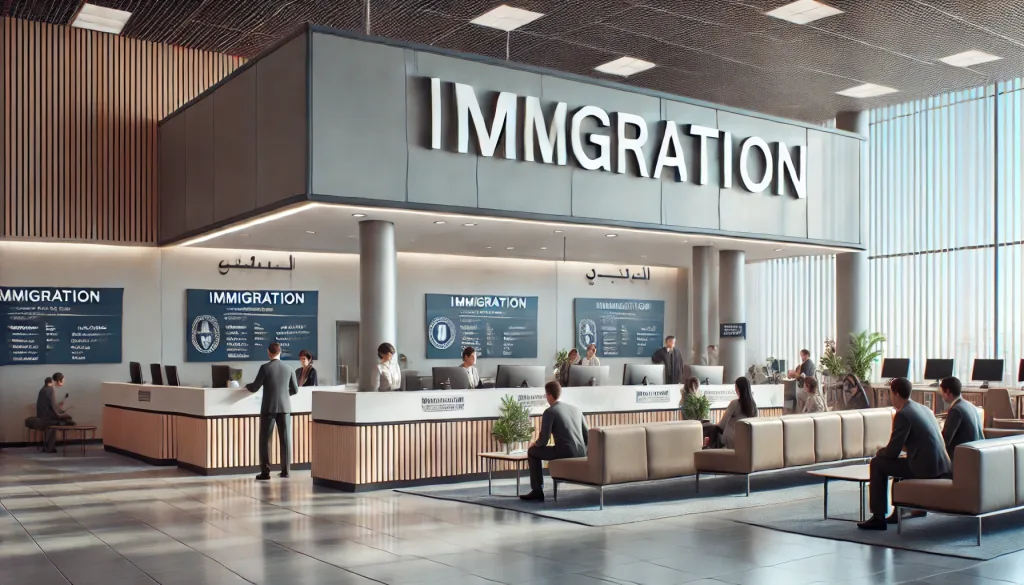
Q Links is a Dubai-based language translation company specializing in legal, certified, and general translation services. Our immigration focused services are designed to be practical for busy residents and businesses along Sheikh Zayed Rd, in the Trade Center and DIFC districts, and across Business Bay, Al Barsha, and JLT.
Specialization in Immigration and Government Paperwork
Our translators handle thousands of immigration related files each year, including:
- Visa documentation for residents and foreign workers
- Passport and ID page translations
- Birth, marriage, and divorce certificates
- Police clearances, employment letters, and educational certificates
This volume of immigration work means we understand common embassy preferences, frequent pitfalls, and the nuances of terminology used by UAE and foreign authorities.
Online and Doorstep Delivery Options
To make your immigration process smoother, Q Links offers:
- Online submission: send us scans of your documents securely from anywhere in Dubai or abroad.
- Doorstep delivery: receive your certified translations at your office or home in Business Bay, JLT, Al Barsha, or nearby areas.
- Express turnaround: when timelines are tight, we prioritize urgent immigration cases subject to prior agreement.
Quality, Confidentiality, and Compliance
Immigration documents contain sensitive personal information. Our processes are designed to protect your data while ensuring compliance with legal translation standards:
- Experienced legal translators with subject matter expertise
- Internal review and proofreading for key details and numbers
- Confidential handling of personal and financial information
Whether you are an individual applicant, an HR department arranging work permits, or a law firm managing multiple immigration cases, Q Links offers scalable support grounded in strong legal translation practices.
Practical Examples: How Legal Translation Impacts Real Immigration Cases
The following simplified scenarios illustrate how accurate legal translation can influence immigration outcomes.
Example 1: Family Sponsorship with Mismatched Names
A Dubai resident in JLT applied to sponsor his child. The child’s birth certificate (in another language) used a different transliteration for the father’s name than his UAE residence visa.
Risk: Immigration authorities could question whether the sponsor is the biological parent.
Solution: Through careful legal translation and explanatory notes, Q Links aligned the transliteration with the passport spelling and clearly indicated the relationship, helping avoid further queries.
Example 2: Student Visa Requiring Multiple Translated Documents
A student in Al Barsha needed a full set of translated documents for a European student visa birth certificate, academic transcripts, police clearance, and bank statements.
Risk: Submitting mixed translations from different providers could cause inconsistent name formats and slow down review.
Solution: Using a single provider for all legal translation ensured consistent names, dates, and formatting across the complete file.
Example 3: Work Permit with Unclear Employment Letter Translation
An employer in Business Bay submitted an employment confirmation letter translated by a non specialist translator. The job title and contract terms were translated literally and did not match the destination country’s legal terminology.
Risk: The immigration officer might misinterpret job level and eligibility.
Solution: A specialized legal translator at Q Links revised the translation, using terminology aligned with the foreign authority’s classification systems.
FAQ: Immigration Document Translation for Visas, Passports, and Birth Certificates
Not always. Some authorities accept simple translations for informal use, but most immigration applications, court submissions, and consular procedures require certified or sworn translations. When in doubt, treat immigration translation as legal translation and ask the requesting authority or a professional provider.
In almost all formal immigration contexts, self translation is not accepted. Authorities need an independent, certified translator or translation company to confirm accuracy and impartiality.
Timeframes vary by document volume and language pair. A single birth certificate or passport page can often be translated within one working day, while full immigration files may take several days. Q Links offers express options, depending on complexity and certification needs.
Yes. You can send clear digital copies of your documents online from anywhere. Q Links provides scanned copies of completed translations and, when needed, can arrange courier or postal delivery of original stamped copies.
Conclusion: Secure Your Immigration Journey with Professional Legal Translation
Every visa, passport, and birth certificate you submit for immigration is more than a formality it is a piece of legal evidence. Treating their translation as a professional legal translation task ensures that your information is clear, consistent, and credible in the eyes of immigration officers.
By working with a specialized provider like Q Links Legal Translation Services in Dubai, you benefit from experienced legal translators, certified outputs, and convenient online and doorstep services across Sheikh Zayed Rd, Trade Center, DIFC, Business Bay, Al Barsha, and JLT. This combination of quality and practicality reduces the risk of delays and gives you greater confidence when submitting your file.
If you would like to learn more about how legal translation supports court cases, corporate work, and other official uses beyond immigration, explore our main resource here: Complete overview: “The Ultimate Guide to Legal Translation Services.”
When you are ready to translate your immigration documents, reach out to Q Links for a tailored quotation and clear guidance on the exact requirements of your destination country.