100% FREE CONSULTANCY
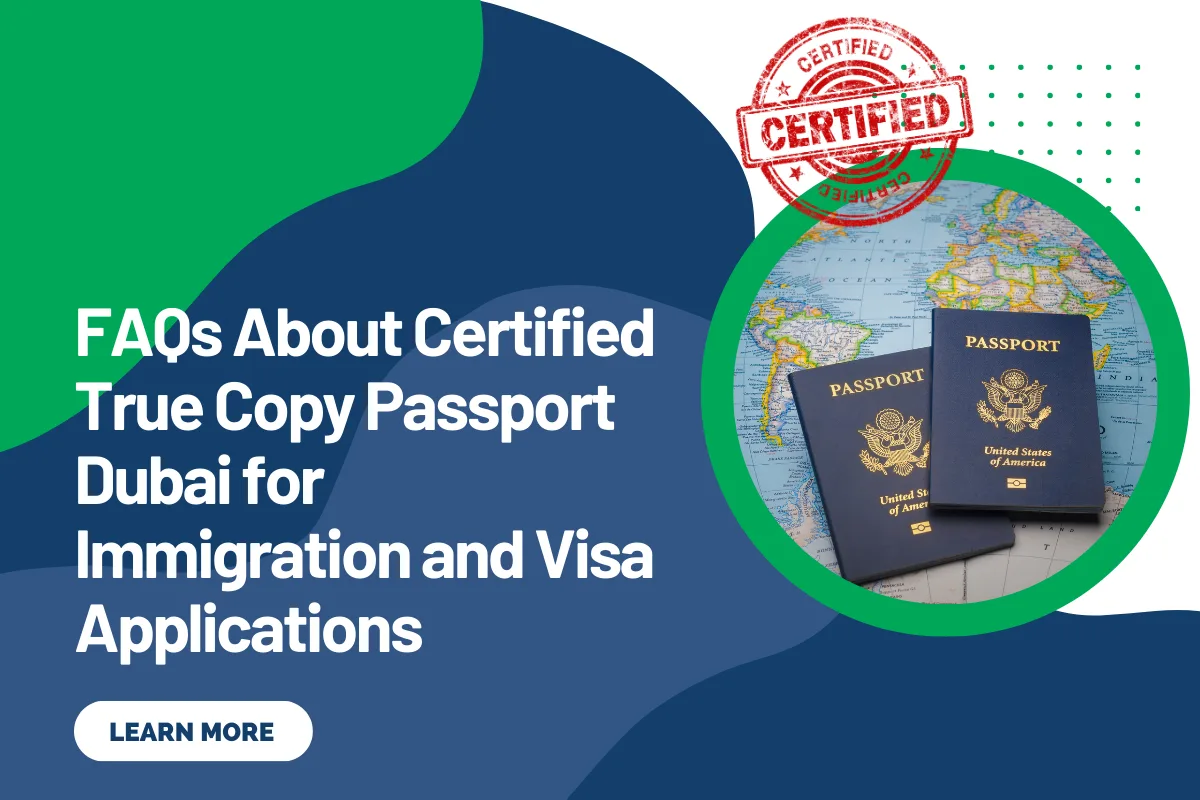
When embassies, consulates, or visa centers in Dubai ask for a certified true copy passport Dubai, they expect a verified copy of your passport that matches the original, page for page. It sounds strict, and yes, it is. Immigration & Visa Services often use this to prevent errors, fraud, and delays in processing.
Q Links Legal Translation Services supports applicants who need accurate paperwork for visas, study permits, work permits, and residency. We handle sensitive documents every day, so we know the common snags and the easy wins. This FAQ clears up what a certified copy really is, who can sign it, and how to avoid rejections.
We will also cover how a true copy attestation works in practice, what documents to bring, and where Dubai-specific rules matter. You will find a practical framework, a quick comparison table, and clear next steps so you can move fast and stay compliant.
Table of Contents
Quick Summary
A certified true copy is a photocopy of your passport that a qualified authority checks against the original and stamps or seals as accurate. For visa files, this helps prove identity without handing over your original passport. One clean, readable copy can save weeks of back-and-forth.
In Dubai, expect your copy to include all relevant pages that immigration asked for, often the bio page and any visa or residence pages. A proper certified true copy must show the certifier’s name, role, date, and contact details. If the receiving authority needs legalization or translation, follow those rules too, or the file may bounce.
What is a certified true copy of a passport?
A certified true copy is a replica of your passport that a qualified person compares with the original and confirms as accurate. That person then signs, dates, and stamps the copy. The stamp proves the copy matches the real passport and that someone authorized checked it. This is different from a plain photocopy, which has no legal weight.
For a deeper walk-through of formats, stamps, and typical steps in Dubai, see The Complete Guide to Certified True Copy Attestation in Dubai. When people mention true copy attestation or attestation in Dubai, they mean this process of verifying and confirming the copy for official use.
When is it required for immigration and visas?
Visa and immigration bodies often ask for a passport true copy Dubai when you submit work permits, student visas, family sponsorships, residency renewals, or background checks. Some countries want the bio page only. Others want all pages that show visas, entry stamps, or residence permits. Always follow the receiving authority’s checklist.
According to the UAE Ministry of Foreign Affairs (n.d.), document attestation verifies authenticity for official use across borders. This principle applies when organizations request certified copies to confirm identity and prevent tampering. UAE MOFA Attestation of Official Documents
If the authority says they require certified true copy of passport Dubai, do not send plain scans. The lack of a certifier’s stamp or seal can trigger a refusal or a re-submission request, which slows everything.
Who can certify in Dubai and what you need
In Dubai, the certifier must be authorized to compare the original and confirm accuracy. Check the receiving authority’s rules first. Some accept notary public, some accept authorized lawyers, and some ask for institutional officers. If you submit to a foreign embassy, confirm their accepted list of certifiers.
Bring the original passport, clear photocopies, and your ID if asked. The certifier will review the document, apply a stamp or seal, and add a statement like “I have seen the original and this is a true copy.” Ensure the stamp is readable, dated, and includes the authorized certifier details.
Step-by-step framework to prepare and submit
Use this simple framework to reduce rework and keep your file clean. If you want extra depth on formats and attestation touchpoints, see the complete guide on this topic.
- Confirm requirements: Which pages, which certifier, and any extra legalization or translation rules. Note the receiving country’s preferences.
- Make clean copies: Use high-resolution grayscale or color. Avoid shadows, fingers, or clipped edges.
- Attend certification: Present the original passport and copies to the recognized authority. Ask for a legible stamp and signature.
- Label and bundle: Name your files clearly. Keep copies flat, unstapled if scanning. Follow exact file naming rules if uploading.
- Final review: Check date, stamp, and page sequence. A quick completeness check now prevents a week of delay later.
Common mistakes and easy fixes
Unclear copies and glare on the bio page are common. Re-scan in better light or adjust contrast. Missing the stamp date or certifier’s details is another frequent issue. Ask the certifier to re-stamp with the full details if needed.
Name mismatches can also cause trouble. Match your passport name across forms and attachments. If the authority asked for multiple pages and you send the bio page only, the file may be held. Always cross-check the submission checklist before you send.
Timelines, validity, and tracking tips
Processing time for a passport true copy Dubai varies by certifier and volume. Plan ahead, especially in peak seasons before academic terms or hiring cycles. Keep digital backups so you can re-send fast if a portal times out or an email bounces.
Some authorities prefer recent certification dates. If your file sits for months, they may ask for a fresh stamp. Track your submission using their portal or email reference, and log the processing time so you can refresh documents if asked.
Certified true copy vs photocopy vs notarized copy
| Type | What it is | Who signs | Typical use |
|---|---|---|---|
| Photocopy | Plain copy, no verification | No one | Personal records, informal requests |
| Certified true copy | Copy matched to original and stamped | Authorized certifier | Visa files, identity checks, official submissions |
| Notarized copy | Certified copy endorsed by a notary | Notary public | When the receiving body specifically requires a notary |
| Legalized copy | Certified copy with added legalization steps | As per authority chain | When cross-border authorities require higher authentication |
Dubai-specific notes on language and formatting
Some foreign authorities want Arabic or English translations of stamps or notes. If required, arrange an official translation that matches the certified copy exactly. Do not add or remove marks. Keep page order consistent with your application checklist.
If the receiving body mentions certified true copy attestation in Dubai, follow their wording closely. They may want specific pages or seals. Ask before you certify, not after you submit. That one question can save you a repeat visit.
Getting help the right way
If you are unsure about the right certifier or the format a foreign embassy accepts, get neutral guidance. Ask what stamp text they want, what language is allowed, and if notarization or legalization is needed. A short pre-check prevents duplicated effort.
For cases that need coordination with immigration forms, translations, or embassy rules, you can read service details here: certified true copy passport Dubai. This is especially useful when your file spans multiple documents or countries.
FAQs
No. A certified copy confirms the copy matches the original. A notarized copy is certified by a notary public. Some authorities accept either, but others specify one format only.
Follow the receiving body’s list. Many ask for the bio page. Some also want residence visas, amendments, or endorsement pages. When unsure, ask for their exact scope.
Usually no. The certifier must compare your copy to the original passport. Bring the original so the wet-ink stamp and statement are valid.
It depends. Some accept copies certified within the last few months. Others want very recent dates. If your process is long, be ready to refresh the certification.
Only if the receiving authority asks for it. If they require Arabic or English, arrange a certified translation that mirrors the stamp and text exactly.
Re-scan or re-copy in better light, fix glare, and ensure all edges and security details are visible. Ask the certifier to restamp if any details are unclear.
Check the authority’s policy. Some allow authorized representatives. Others require the applicant to submit or appear in person.
Often yes, especially for small security features or faint lines. If the authority has no rule, pick the clearest output you can provide.
Conclusion
Getting a certified true copy right the first time saves you stress, money, and time. Keep the copy clear, the stamp readable, and the page order exact. Use the receiving authority’s checklist and confirm special rules upfront. That is the fastest path to a clean immigration or visa file.
When you prepare your next certified true copy passport Dubai, slow down for five minutes and run a final quality review. Check dates, stamps, and every required page. If you need help aligning documents or translations with what an embassy expects, that is normal. Contact Q Links Legal Translation Services for expert assistance.