100% FREE CONSULTANCY
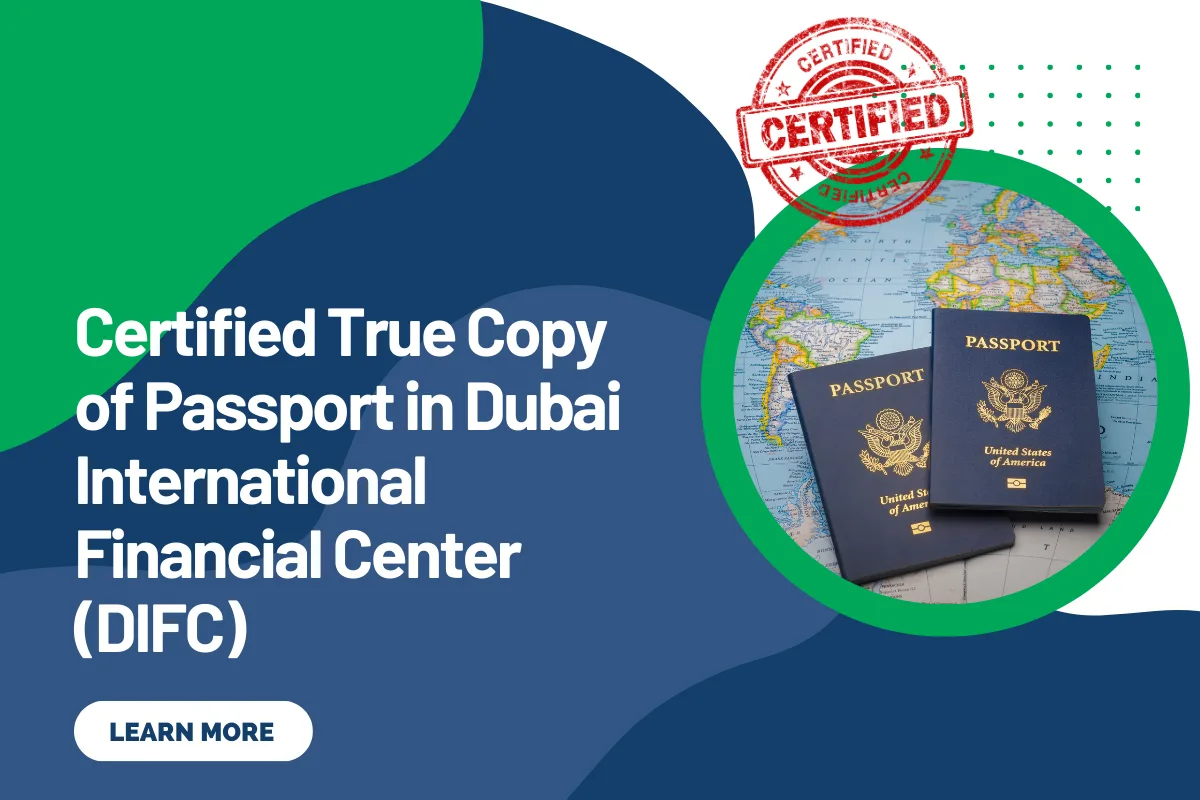
Opening a bank account, onboarding a new director, or signing a major deal inside the DIFC often starts with one simple proof: a certified true copy of passport Dubai. It shows that the copy you share matches the original. That tiny step helps banks and firms meet regulation and keep risk low.
Q Links Legal Translation Services works across the UAE with clients who need documents accepted the first time. In DIFC matters, small errors can slow down onboarding. Clear pages, correct stamps, and readable data make a difference. This guide explains how the process fits the DIFC setting, what checks to expect, and how to avoid common snags.
We also compare DIFC practice with mainland Dubai approaches, and share a simple framework to get your file right. Use it to prep once, share many times, and keep your KYC tasks smooth.
Table of Contents
Quick summary
In DIFC, firms rely on passport copies to start KYC and corporate onboarding. A notary or approved verifier confirms the copy matches the original. Clean scans, full-page capture, and readable MRZ lines matter. If a sign-off misses key text, compliance may reject it.
The steps are simple: confirm what the recipient accepts, prepare a clear copy, get a proper certification, and keep a record. This guide includes a checklist, a fast framework, and a comparison with mainland Dubai so you avoid reruns.
What a certified true copy means in the DIFC context
In simple terms, a professional confirms the copy is a true match of the original passport. The stamp or wording should show who checked it, when, and under what authority. That makes the copy fit for KYC and corporate files in DIFC banks and companies.
For a deeper view of formats, wording, and attestation routes across the city, see The Complete Guide to Certified True Copy Attestation in Dubai. It complements this DIFC-focused overview and helps you understand wider city practices.
Inside DIFC, the goal stays the same: prove identity fast and clean for regulated activity. A clear stamp, verifier details, and full-page visibility reduce questions at review time.
Where DIFC firms usually ask for it
Banks and wealth managers use it for account opening and periodic refresh. Corporate secretaries ask for it when appointing directors or changing shareholders. Law and audit teams request it for due diligence in mergers or new fund launches.
Across Financial Services and Corporate settings, it supports KYC documentation. You may also see requests linked to board resolutions, power of attorney files, and onboarding of authorized signatories. The same idea applies to foreign partners and UBO records.
DIFC-ready checklist: what reviewers look for
Use this short list before you submit a copy. It saves time and second trips.
- Full-page capture of the passport bio page with edges visible and text readable.
- No glare, blur, or shadows; MRZ lines must be clear.
- Verifier statement that the copy is a true copy of the original, plus name and capacity.
- Date of certification and signature. Where used, include seal or stamp.
- Contact details of the verifier, if the recipient asks for it.
- If the file is multi-page, label pages and keep order consistent.
Some recipients prefer color copies. If they need Arabic for mainland filings, pair the copy with a legal translation and the right stamps. For DIFC-only use, English copies often suffice, but always follow the exact request.
A practical framework to prepare a DIFC-acceptable copy
Follow this framework to avoid rework and delays in compliance checks.
- Ask what format, wording, and verifier they accept. This sets your target from the start.
- Use high resolution and even light. Make sure edges and the full bio page are in frame.
- Notary, regulated firm, or authorized officer per the recipient’s policy.
- Use clear language, include date, name, position, and signature. Add stamp if needed.
- Keep a secure copy of the certified page and the verifier’s details for future audits.
- RIf weeks pass, check if they need a fresh date stamp.
If you want broader context on wording and options across Dubai, review the complete guide on this topic. It pairs well with this framework when your case moves between DIFC and mainland needs.
This approach protects chain of custody, keeps the record clean, and helps you pass checks on the first try.
DIFC vs mainland Dubai: quick comparison
Rules and preferences differ across the city. This table highlights common contrasts to plan around.
| Aspect | DIFC | Mainland Dubai |
|---|---|---|
| Primary use | Financial Services & corporate onboarding | Government filings and wider public services |
| Language | English commonly accepted | Arabic often required for filings |
| Verifier | Notary or approved/regulated verifier | Notary Public and approved channels |
| Turnaround | Often faster, case dependent | Process varies by service and queue |
| Extra steps | May request firm-specific wording | May need true copy attestation and translation |
Always follow the exact instruction from the bank, fund, law firm, or registrar. It removes doubt and speeds up acceptance.
Timelines, validity, and common issues
Most reviewers prefer recent dates on certifications. Some set a window, like within the last 3 months. If onboarding pauses, ask whether they need a fresh stamp. This keeps your file current during compliance checks.
Smudged stamps, missing roles, or unreadable MRZ lines trigger rejections. Solve this by using clear ink, legible names, and crisp scans. Seal placement should not cover key data.
According to UAE Government Portal (n.d.), attestation confirms that documents carry the proper signatures and seals for official use, which helps institutions trust what they receive. Attestation of official documents and certificates
Professional assistance and documentation standards
When many teams need the same passport record, a single well-prepared set saves time. Use consistent file names, clear scans, and a verifier your counterparties accept. This supports document acceptance across KYC cycles.
If you need help arranging the right format or verifier, request a certified true copy of passport Dubai through a trusted channel. That keeps the wording, signatures, and seals aligned with what banks and corporate teams expect in DIFC.
Data privacy and secure handling inside DIFC workflows
Passport pages hold sensitive data. Share only with authorized recipients, and keep a log of who received what. Redact extra pages when not requested. Limit the spread and store files in encrypted drives when possible.
Stick to data minimization. If a counterparty needs only the bio page, do not send stamps or visas. Fewer copies mean lower risk and cleaner audits later.
FAQs about certified true copy of passport in DIFC

Usually no, unless the recipient says so. Most ask for a certified true copy with clear wording, date, and verifier details.
It depends on the recipient. Common options include a notary or an approved regulated professional as specified by the requesting firm.
Often no, since English is common in DIFC. If the document will be filed on the mainland, you may need Arabic and proper attestation.
Many institutions prefer a recent date, like within a few months. Confirm the exact window before you submit.
You can, but the recipient may still ask for a renewed passport soon. Check their policy before proceeding.
Poor image quality, missing verifier role, or stamps covering key data. Keep the page clear and details complete.
Often yes, if the date is still acceptable to each recipient. Keep a secure digital version to reuse when allowed.
It can work if high quality and full-page. Many prefer a scanned image for consistency. Follow the recipient’s format rules.
Conclusion
A clean, well-certified passport copy sets the tone for fast onboarding in DIFC. Start with the recipient’s rules, prepare a crisp image, and confirm the right wording and verifier. These basics protect your timeline and reduce extra back-and-forth.
When your case spans DIFC and mainland needs, align with wider certified true copy attestation in Dubai practices. That reduces surprises between teams. If you want a single point of contact to keep formats straight, ask early and share the exact requirement.
For your next certified true copy task, build once and reuse with confidence. If you need guidance, Contact Q Links Legal Translation Services for expert assistance. And remember, the primary goal behind a certified true copy of passport Dubai is simple: clean proof of identity that passes checks the first time.